



Overview
Think of a situation where a shipment is delayed. Procurement teams check emails, spreadsheets, and folders to find the cause of the delay. After spending many hours searching, they found out that the supplier’s compliance document had expired weeks ago. These types of situations are quite common, and they slowly weaken supply chain efficiency.
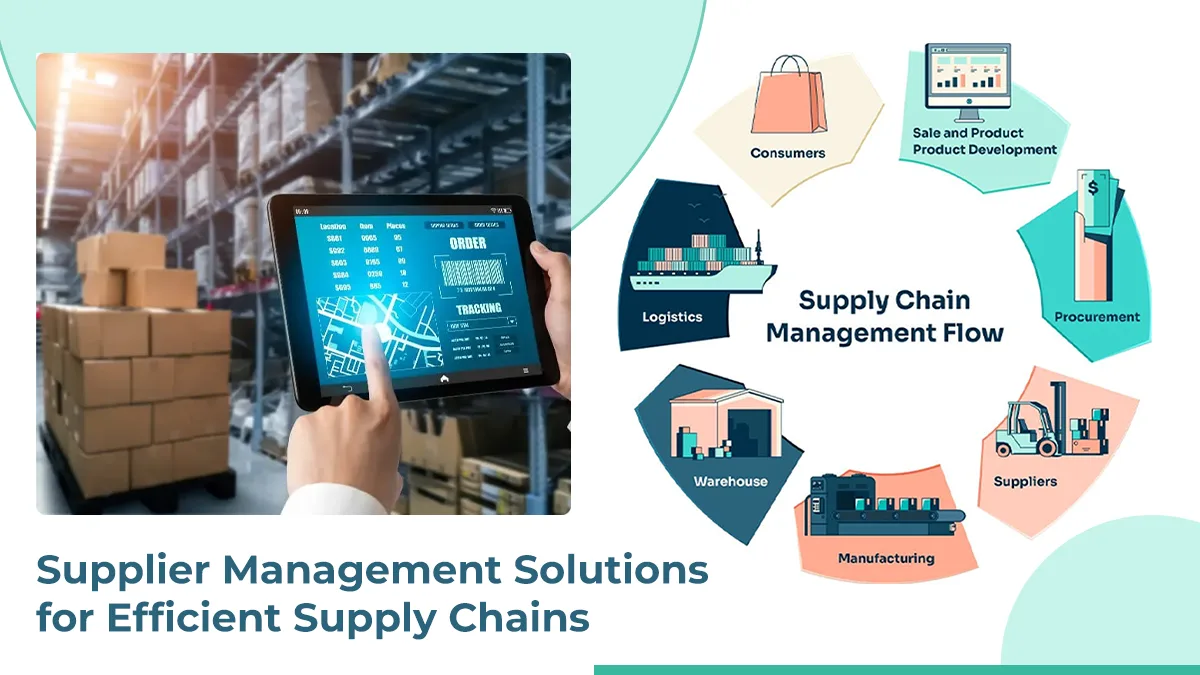
This is why many organizations adopt supplier management solutions to centralize supplier data, automate onboarding, and track performance in one place. Procurement teams get clear visibility of their supplier network. They do not have to search for information across different systems.
This post explores how supplier management systems improve supply chain efficiency and help businesses build stronger, more reliable supply chains. First, we will look at how poor supplier management creates delays in supply chains.
Why Inefficient Supplier Management Slows Down Supply Chains
A supply chain is only as reliable as the suppliers behind it. Every product, component, or service delivered to a business typically involves multiple suppliers working together. When supplier information is scattered or communication with suppliers is slow, the entire supply chain can experience delays and disruptions.
Yet, many organizations still use manual methods such as spreadsheets, emails, and separate systems to manage supplier data. This may work for small operations. Gradually, as the number of suppliers grows, it becomes difficult to manage. As a result, this fragmented approach leads to several operational challenges that affect overall supply chain efficiency. Here are a few challenges that slow down supply chains.
Limited Visibility Across Supplier Networks
When supplier information is scattered across multiple files, procurement teams have difficulty getting accurate and up-to-date data. For example, different systems store important supplier information such as certifications, compliance documents, or performance records. In such situations, teams cannot assess suppliers quickly and make informed decisions.
Slow Supplier Onboarding Processes
Because many organizations follow the traditional way of onboarding new suppliers, suppliers have to submit many documents. These include company registrations, compliance certificates, tax documentation, and quality assurance records. Verifying these documents manually is time-consuming and prone to errors.
Increased Risk and Compliance Issues
To keep operations running smoothly, suppliers must follow industry regulations. Companies must keep a close eye on supplier compliance. Failing to do so can lead to risks like regulatory penalties, product quality problems, supply chain disruptions, and damage to their reputation.
Poor Supplier Collaboration
There should be strong collaboration between buyers and suppliers for running supply chain operations smoothly. Relying only on emails for communication can create confusion. Teams may overlook important messages, misplace documents, or fail to share updates with the right people. As a result, it delays shipments, approvals, and contract discussions.
This is where supplier management software solutions step in.
Overview of Supplier Management Solutions
The software helps organizations handle supplier relationships, onboarding, performance tracking, and collaboration through a unified system. These solutions help organizations to store and manage supplier data in a centralized database. This ensures that relevant information is easily accessible. They also automate supplier onboarding workflows, making it faster and more efficient to onboard new suppliers.
Moreover, businesses can monitor supplier performance, delivery metrics, compliance obligations, and potential risks. These systems also enhance supplier communication.
Instead of relying on manual processes or disconnected tools, companies use supplier management systems to build a structured and scalable supplier ecosystem.
Now, let us compare supplier management solutions with traditional supplier management to see how it makes a difference.
Traditional Supplier Management vs Supplier Management Software
The following table makes a quick comparison between the two approaches.
Aspect | Traditional Supplier Management | Supplier Management Solutions |
|---|---|---|
Data Storage | Spreadsheets and emails | Centralized supplier database |
Supplier Onboarding | Manual document collection | Automated onboarding workflows |
Performance Tracking | Periodic reviews | Real-time analytics and scorecards |
Risk Management | Reactive approach | Proactive risk monitoring |
Collaboration | Email communication | Integrated supplier portals |
The table shows that traditional supplier management uses spreadsheets, emails, and manual processes to handle supplier data. This approach can slow down onboarding, make it hard to see supplier performance, and respond to risks only after they happen.
Supplier management software works differently. It keeps all supplier data in a single location, streamlines the onboarding process, and delivers real-time insights into supplier performance. It also allows organizations to monitor risks proactively.
Let's dig into how supplier management solutions help improve supply chain efficiency.
Ways Supplier Management Systems Enhance Efficiency
A supplier management platform changes the way organizations manage supplier relationships and procurement processes.
Here's how.
Centralized Supplier Data Management
A supplier management system keeps all sensitive supplier data in a unified platform. This information includes certifications, compliance documents, contracts, contact details, and performance metrics.
Because of centralized data, transparency improves. All stakeholders can easily access the same supplier information without searching through multiple systems. This increased visibility also helps businesses evaluate suppliers more accurately and make informed decisions.
Faster Supplier Onboarding
Manually onboarding suppliers is slow. As a result, it delays the entire process. However, a supplier onboarding software helps in automating it. Suppliers can submit required documents through secure portals, and the system automatically routes them for verification and approval.
Automation reduces paperwork and manual data entry. It also accelerates approvals and ensures greater accuracy in supplier documentation. This makes the onboarding process faster.
Improved Supplier Performance Tracking
Supplier performance directly affects product quality, delivery timelines, and procurement costs. A supplier management software solution helps organizations track supplier performance using clear metrics. These metrics are delivery reliability, product quality standards, contract compliance, and cost efficiency
Real-time dashboards and supplier scorecards allow procurement teams to identify underperforming suppliers and take measures to address them quickly. It supports better supplier relationships and enhances the reliability of the supply chain.
Better Risk and Compliance Management
Supply chain disruptions often happen due to supplier compliance issues or operational risks. Tracking these things manually becomes difficult when companies work with many suppliers.
A supplier management system helps organizations monitor regulatory requirements, supplier certifications, and risk indicators in real time. It also sends automatic alerts when certifications are nearing expiration, compliance documents are missing, or a supplier’s risk level increases. This helps procurement teams take quicker action and reduce possible disruptions.
Enhanced Supplier Collaboration
Proper collaboration between buyers and suppliers improves communication, transparency, and operational efficiency. A supplier management platform offers a centralized digital space where buyers and suppliers can communicate and collaborate easily.
With all activities managed in a centralized system, both parties can securely exchange documents and monitor order progress. They can even track performance data and communicate directly on the platform.
Overall, the above capabilities demonstrate how supplier management systems improve efficiency across the supply chain.
Concluding Remarks
Building a reliable supply chain depends on efficient supplier management. As supplier networks expand, manual processes can cause delays, missing data, and operational risks. Supplier management solutions turn the tables for organizations. It can store supplier data in one place, improve visibility, and simplify supplier-related tasks. Those who embrace this software will gain a competitive advantage.